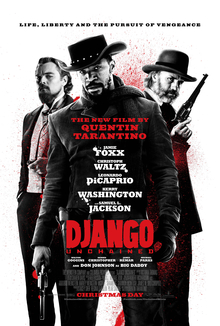
The Unchained Legacy: How Django Redefined the Spaghetti Western Genre
Quentin Tarantino’s filmography is a tapestry woven with audacious storytelling, unforgettable characters, and a distinctive stylistic flair. Among his many critically acclaimed works,
Django Unchained stands as a monumental achievement, a neo-Western that boldly confronts the brutal realities of American history while paying homage to the classic Spaghetti Westerns that inspired it. For those searching for an impactful cinematic experience, a quick search for "Zincirsiz Imdb" will reveal the overwhelmingly positive reception and enduring legacy of this powerful film. It's not just a movie; it's a statement, a reimagining of a beloved genre through a lens of justice, freedom, and fiery revenge set against the grim backdrop of the pre-Civil War American South.
Released in 2012,
Django Unchained transcends simple genre classification, blending historical drama with the visceral aesthetic of a Sergio Leone epic. It masterfully navigates sensitive themes of slavery and oppression with Tarantino's signature blend of sharp dialogue, unexpected humor, and often graphic violence. The film was a significant commercial and critical success, cementing its place as a modern classic and proving that the Western genre still has fertile ground for reinterpretation. Its narrative complexity, coupled with powerhouse performances, ensures that its impact resonates long after the credits roll, making it a frequent subject of discussion and analysis on platforms like
Django Unchained: Tarantino's Epic Tale of Freedom and Revenge.
The Genesis of a Modern Classic: Tarantino's Vision for Zincirsiz
The idea for
Django Unchained simmered in Quentin Tarantino’s mind for years, a passionate desire to craft a film that would merge the iconic elements of the Spaghetti Western with a deeply significant, yet often overlooked, period of American history. His affection for classics like Sergio Corbucci's 1966 film
Django is palpable, but Tarantino's "Zincirsiz" takes the archetype of the lone avenger and imbues him with a profound personal mission rooted in historical injustice.
The story begins with a serendipitous encounter that forever alters the course of a former slave named Django (portrayed with captivating intensity by Jamie Foxx). Chained and forced to march with other slaves, Django's path intersects with that of Dr. King Schultz (Christoph Waltz), an eccentric, German-born bounty hunter. Schultz isn't your typical grizzled Western anti-hero; he's a man of surprising intellect, wit, and a moral compass that, while unconventional, leans towards justice. Schultz needs Django's help to identify the notorious Brittle brothers, a trio of ruthless overseers who once tormented Django. In exchange for his assistance, Schultz promises Django his freedom. This initial pact, centered on hunting down the Brittle brothers, not only liberates Django physically but also ignites a dormant spirit of defiance and purpose within him. It’s the first step in a much larger, more perilous journey that will redefine his existence.
From Bounty Hunter to Liberator: Django's Epic Transformation
What begins as a partnership of convenience quickly evolves into a powerful mentorship. Once the Brittle brothers are dealt with, Schultz, impressed by Django's innate courage and tracking abilities, proposes a continued alliance. Together, they embark on a series of bounty hunts across the American South, methodically tracking down and eliminating some of the region's most wanted criminals. This period serves as Django's informal apprenticeship, transforming him from a traumatized slave into a skilled marksman and a formidable bounty hunter. Under Schultz's tutelage, Django learns not only how to handle a gun but also how to navigate the complex and often treacherous social codes of the South as a "free black man" – a concept that challenged deeply entrenched prejudices of the era.
However, Django's growing proficiency in the art of the hunt is merely a means to an end. His ultimate, driving motivation is singular and unwavering: to find and rescue his wife, Broomhilda von Shaft (played by Kerry Washington), from whom he was brutally separated through the cruel institution of the slave trade. Broomhilda is not just a lost love; she is the symbol of everything Django fights for – dignity, family, and a future free from bondage. This personal quest elevates the film beyond a simple revenge narrative, infusing it with a poignant and deeply human emotional core. Their search eventually leads them to the notorious "Candyland" plantation, a sprawling cotton empire where brutality and dehumanization reign supreme, ruled by the utterly ruthless and charmingly sadistic Calvin Candie.
The Depths of Villainy: Candyland and its Inhabitants
Candyland, far from its deceptively sweet name, represents the nadir of human cruelty and the unfathomable horrors of slavery. Presiding over this empire of suffering is Calvin Candie (a chillingly brilliant performance by Leonardo DiCaprio), a seemingly genteel Southern planter who masks his monstrous cruelty with an air of sophisticated charm. Candie embodies the perverse power dynamics of the era, holding absolute sway over the lives of hundreds of enslaved people, including Broomhilda. His plantation is a microcosm of the systemic violence and dehumanization that characterized slavery, where human beings are treated as property, disposable and interchangeable.
The entry into Candyland marks a dramatic shift in the film's tone, moving from the adventurous spirit of bounty hunting to a tense, high-stakes infiltration mission. Django and Schultz concoct an elaborate scheme, posing as a wealthy "mandingo" fight enthusiast and his German associate, hoping to purchase Broomhilda without revealing their true intentions. This dangerous gambit forces them to confront the casual barbarity of Candie and his loyal, but equally treacherous, house slave, Stephen (a masterfully sinister performance by Samuel L. Jackson). Stephen’s character adds a complex layer to the narrative, representing the painful complicity and internal dynamics within the slave system itself. The psychological warfare and simmering tension within Candyland are palpable, building towards an explosive climax that is both cathartic and devastating. The film's meticulous attention to detail in depicting this era, from the sprawling fields shot in locations like Lone Pine, California, and Wallace, Louisiana, to the striking vistas of Jackson Hole, Wyoming, paints a vivid and often harrowing picture of the time.
Critical Acclaim and Lasting Impact: The Legacy of Zincirsiz
Django Unchained was not just a box office hit; it was a critical darling, garnering widespread praise for its bold vision, powerful performances, and unapologetic tackling of challenging subject matter. The film was nominated for numerous prestigious awards across the industry, receiving five Academy Award nominations and ultimately winning two.
Christoph Waltz's portrayal of Dr. King Schultz was universally lauded, earning him the Academy Award, Golden Globe, and BAFTA Award for Best Supporting Actor. His ability to deliver Tarantino's intricate dialogue with such precision, humor, and underlying pathos made Schultz an instant iconic character. Similarly, Quentin Tarantino himself was recognized for his exceptional screenwriting, securing the Academy Award, Golden Globe, and BAFTA Award for Best Original Screenplay. These accolades underscore the film's artistic merit and its impact on both critics and audiences alike. The enduring positive sentiment and high ratings found when one searches "Zincirsiz Imdb" are a testament to its compelling narrative and unforgettable performances, showcasing how deeply this film resonated. It cemented Tarantino's reputation as a filmmaker unafraid to tackle difficult historical themes through his unique, genre-bending lens.
The legacy of
Django Unchained extends beyond its awards. It sparked important conversations about cinematic representations of slavery, historical accuracy versus artistic license, and the very nature of revenge and justice. By placing a black man at the center of a Spaghetti Western narrative, reimagining the genre's typically white, masculine hero, Tarantino offered a fresh and subversive take on a classic film style. The film remains a touchstone for discussions on historical fiction, character development, and the power of cinema to provoke thought and emotion. Its exceptional cast, led by Jamie Foxx, Christoph Waltz, Leonardo DiCaprio, Kerry Washington, and Samuel L. Jackson, delivered performances that elevate the material, making it a must-watch for anyone interested in groundbreaking cinema, as further explored in
Zincirsiz (Django Unchained): Award-Winning Cast and Tarantino's Vision.
In conclusion,
Django Unchained is more than just a Spaghetti Western; it’s a compelling epic that redefined what the genre could be. It confronts a painful chapter of American history with unflinching honesty, while simultaneously delivering all the stylistic flourishes and gripping narrative expected from a Quentin Tarantino film. Its exploration of freedom, justice, and the relentless pursuit of love against insurmountable odds ensures its place as a powerful and enduring piece of cinematic art. Whether you're a long-time Tarantino fan or new to his work, the journey of Django is one that demands to be experienced.