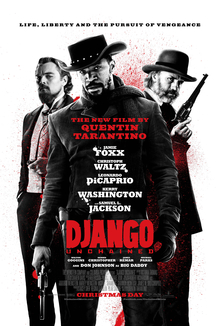
Django Unchained: Tarantino's Epic Tale of Freedom and Revenge
Quentin Tarantino’s *Django Unchained* is more than just a film; it’s a searing, stylish, and utterly unforgettable journey into the brutal heart of the American South. A bold Spaghetti Western with Tarantino’s signature blend of sharp dialogue, explosive violence, and an anachronistic soundtrack, the movie captivates audiences from its opening scene to its climactic conclusion. For those seeking an intense cinematic experience, exploring the critical reception and fan reactions on platforms like
Zincirsiz Imdb reveals a widespread appreciation for its audacious storytelling and powerful performances. This article delves deep into the narrative, characters, and enduring legacy of this cinematic masterpiece.
The Unforgettable Journey Begins: Freedom's First Steps
Set two years before the American Civil War, *Django Unchained* introduces us to Django (Jamie Foxx), a slave shackled and forced to march through the desolate Texas landscape. His life takes an unexpected, pivotal turn with the arrival of Dr. King Schultz (Christoph Waltz), an eccentric German dentist who moonlights as a cunning bounty hunter. Schultz isn't interested in Django as property, but rather as a key to identifying the notoriously cruel Brittle brothers, whom he is contracted to bring in "dead or alive."
The initial encounter is a masterclass in Tarantino's dialogue, quickly establishing the contrasting personalities and the power dynamics at play. Schultz, with his sophisticated intellect and disarming charm, offers Django a proposition: help him identify the Brittle brothers, and in return, Django will be granted his freedom. This agreement marks Django's first terrifying yet exhilarating step away from the chains of slavery, a moment heavy with the promise of self-determination. The film's early scenes masterfully depict Django's transformation from a broken man to one beginning to grasp the reins of his own destiny.
A Partnership Forged in Fire
What begins as a transactional agreement quickly evolves into a unique partnership. After successfully eliminating the Brittle brothers – a moment of raw, visceral revenge for Django – Schultz, impressed by Django's innate tracking abilities and developing composure under pressure, offers him a more enduring arrangement. They decide to spend the winter together, with Schultz training Django in the ways of a bounty hunter.
During this period, Django hones his skills with a pistol, learns to read, and gains a deep understanding of the legal and moral complexities of their profession. This mentorship is crucial, transforming Django from a victim into a formidable, self-assured individual. Their dynamic is one of the film's most compelling elements: the learned, morally ambiguous European and the formerly enslaved American forging an unlikely bond built on mutual respect and shared objectives, all while navigating the dangerous, racially charged landscape of the Deep South. They hunt down wanted criminals, accumulating wealth and notoriety, but Django's ultimate goal remains firmly in sight: finding his lost wife, Broomhilda.
Candyland and the Quest for Broomhilda: A Heartbreaking Odyssey
As their partnership flourishes, Django reveals the true, heartbreaking motivation behind his drive: to find and rescue his wife, Broomhilda von Shaft (Kerry Washington). Sold away from him years earlier by slave traders, Broomhilda's fate is unknown, but Django's love for her is an unyielding force that propels him forward. Schultz, surprisingly moved by Django's devotion and the tragic echoes of a German fairy tale involving a damsel in distress, agrees to help him.
Their quest leads them to the notorious "Candyland" plantation in Mississippi, owned by the utterly charming yet monstrously cruel Calvin Candie (Leonardo DiCaprio). Candyland is not just a plantation; it's a brutal empire built on the exploitation and degradation of human beings, where Candie indulges in sadistic entertainment like "Mandingo fights." To infiltrate this bastion of evil without raising suspicion, Schultz devises an elaborate, dangerous plan: they will pose as potential buyers interested in purchasing Candie's most valuable fighting slaves, with Broomhilda secretly being their true target. This cunning deception puts both men in immense peril, requiring them to walk a tightrope of calculated risk and simmering rage.
Confronting Evil: Calvin Candie and the Brutality of the South
Leonardo DiCaprio's portrayal of Calvin Candie is nothing short of chilling. He is not merely a villain but a terrifying embodiment of the institutionalized cruelty and casual inhumanity that defined slavery. Candie’s suave demeanor masks a deeply rotten core, making his acts of violence all the more shocking. His character, along with the chillingly subservient yet manipulative house slave Stephen (Samuel L. Jackson), provides a nuanced look at the varied roles and psychological tolls within the slave system.
The scenes set in Candyland are perhaps the most harrowing and intense in the film. They confront the audience with the unvarnished brutality of slavery, showcasing the physical and psychological torments inflicted upon enslaved people. Tarantino doesn't shy away from the horrific realities, yet he frames them within a narrative of revenge and liberation, offering a cathartic experience for the audience as Django eventually unleashes his fury. The tension escalates to unbearable levels, leading to an explosive confrontation that forever alters the fates of all involved.
Behind the Scenes and Critical Acclaim: The Making of a Masterpiece
*Django Unchained* is a testament to Quentin Tarantino's unparalleled vision and meticulous filmmaking process. The film was shot across diverse locations, from the arid beauty of Lone Pine, California, to the lush historical plantations of Wallace, Louisiana, and the snowy expanses of Jackson Hole, Wyoming. Each location was carefully chosen to contribute to the film's rich visual tapestry, grounding the fantastical elements in a gritty, believable reality.
Tarantino, known for his distinctive directorial style, spent years developing the screenplay, resulting in a script that crackles with memorable dialogue and propulsive narrative drive. The film's ensemble cast is nothing short of spectacular, featuring career-defining performances that elevate the material. Jamie Foxx delivers a powerful, understated portrayal of Django, evolving from a traumatized slave to a righteous avenger. His journey provides the emotional backbone of the film, making his eventual triumph deeply satisfying.
Award-Winning Performances and Tarantino's Vision
The critical reception for *Django Unchained* was overwhelmingly positive, with particular praise for its acting and screenplay. Christoph Waltz's portrayal of Dr. King Schultz earned him numerous accolades, including the Golden Globe Award, the BAFTA Award, and his second Academy Award for Best Supporting Actor. Waltz’s ability to imbue Schultz with wit, charm, and a surprising moral compass made him a standout, creating a character that audiences both admired and mourned.
Quentin Tarantino himself was celebrated for his audacious storytelling and masterful script, securing the Academy Award, Golden Globe, and BAFTA Award for Best Original Screenplay. His unique voice, which blends historical fiction with elements of pulp fiction and revisionist history, makes *Django Unchained* a truly distinctive cinematic experience. The film also received an Academy Award nomination for Best Picture, solidifying its place as a significant work in contemporary cinema. For a deeper dive into the impressive accolades and the director’s creative process, explore
Zincirsiz (Django Unchained): Award-Winning Cast and Tarantino's Vision.
The Enduring Legacy and Impact on the Western Genre
*Django Unchained* revitalized the Spaghetti Western genre, injecting it with modern sensibilities while paying homage to its roots. Tarantino's film drew clear inspiration from classics of the genre, particularly Sergio Corbucci's 1966 film *Django*, starring Franco Nero (who makes a cameo in Tarantino's version). However, Tarantino's *Django* transcends mere homage, creating something wholly original. It pushes the boundaries of the Western, using its familiar tropes of dusty landscapes, morally ambiguous heroes, and quick-draw justice to tell a deeply personal and historically resonant story about slavery and liberation. The film sparked important conversations about its use of violence, historical accuracy, and racial themes, proving its enduring impact beyond entertainment. It stands as a significant cultural touchstone, demonstrating how genre filmmaking can effectively tackle difficult historical subjects. To understand more about its revolutionary approach and lasting influence, see
The Unchained Legacy: How Django Redefined the Spaghetti Western Genre.
Why Django Unchained Resonates: Themes of Justice and Vengeance
At its core, *Django Unchained* is a powerful exploration of freedom, justice, and the cathartic nature of revenge. Django's journey is not just about personal vengeance; it's about reclaiming dignity and agency in a world designed to strip them away. His quest for Broomhilda transforms him into a symbol of defiance against an inherently unjust system. The film’s narrative expertly navigates the moral complexities of violence, asking viewers to confront uncomfortable questions about what constitutes justice in the face of unspeakable evil. While the film’s depiction of violence is often stylized, it never fully divorces itself from the brutal realities of the era, ensuring the emotional weight of Django’s actions is felt.
Beyond Entertainment: Historical Context and Social Commentary
*Django Unchained* is undeniably entertaining, but it also serves as a potent piece of social commentary. By setting the story in the pre-Civil War South, Tarantino forces audiences to confront the painful legacy of slavery in America. The film doesn't shy away from the horrific realities of the institution, portraying the casual cruelty and systemic oppression that defined the lives of millions. In giving a black man the agency to fight back and achieve his own freedom through violent means, Tarantino offered a controversial yet undeniably powerful fantasy of liberation and retribution. It’s a film that sparks discussion, challenges perspectives, and forces a reckoning with a dark chapter of history, all wrapped in the visually stunning and audaciously entertaining package characteristic of a Tarantino classic.
Conclusion
*Django Unchained* stands as a monumental achievement in Quentin Tarantino’s filmography, a bold and brilliant cinematic experience that blends historical drama with the iconic stylings of the Spaghetti Western. With its unforgettable characters, gripping narrative, stellar performances, and profound themes of freedom, revenge, and justice, the film leaves an indelible mark on its audience. It’s a story that entertains, provokes, and ultimately triumphs. Whether you're a long-time fan or discovering this epic tale for the first time, exploring its intricate layers and critically acclaimed status is a journey well worth taking. For more details on this acclaimed movie, including its cast, crew, and audience ratings, be sure to check out *Django Unchained* on
Zincirsiz Imdb.